Blog

Blog

DPUP Bangladesh Participates in National Symposium on IDPD 2025 with Five Delegates

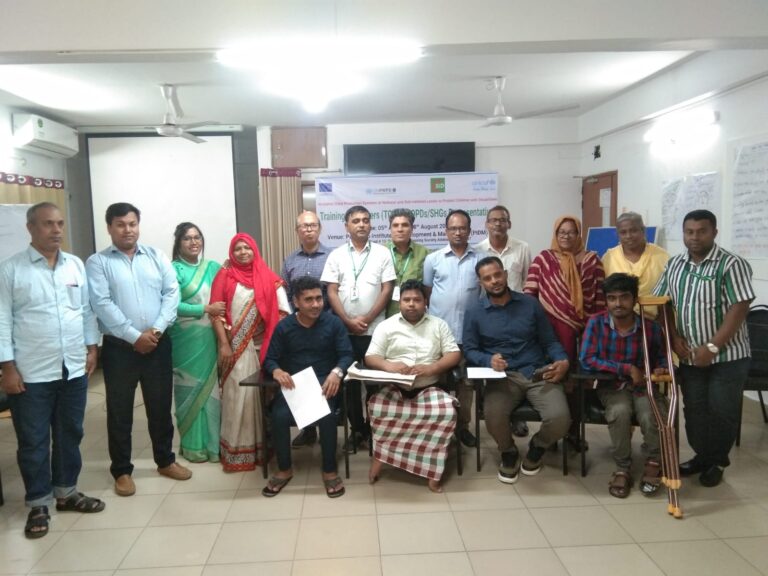
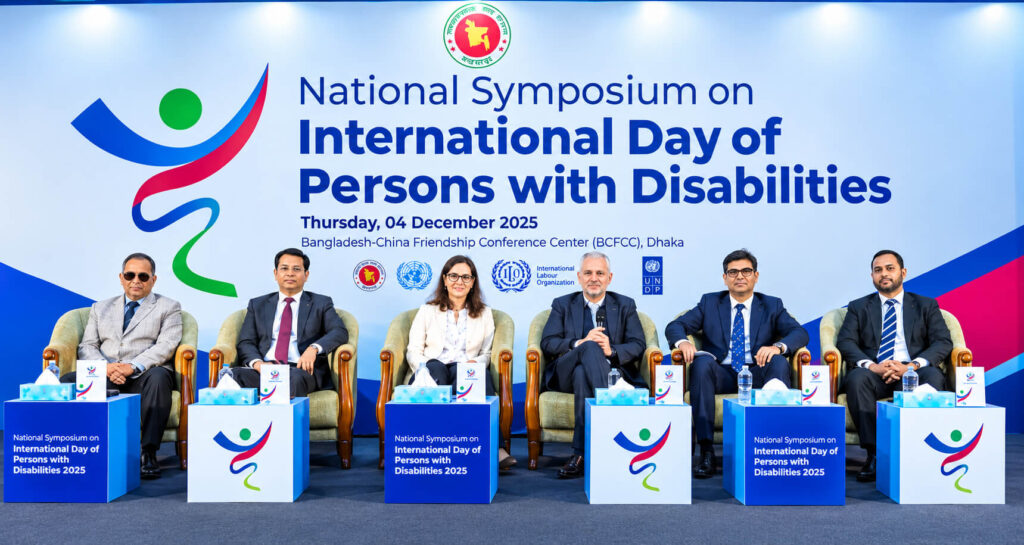
Dhaka, Bangladesh — December 4, 2025 Dristi Protibondhi Unnayan Parishad (DPUP), Bangladesh proudly participated with a five-member delegation in the National Symposium on the International Day of Persons with Disabilities (IDPD) 2025. The symposium was held on Thursday, December 4, 2025, from 9:00 AM to 5:00 PM at the Bangladesh-China Friendship Conference Center (BCFCC), Carnival Hall, Agargaon, Dhaka. 4 Five Delegates Represent DPUP Bangladesh On behalf of Dristi Protibondhi Unnayan Parishad (DPUP), five delegates attended the national symposium and represented the organization in this important national gathering. The delegates participated in the program, exchanged experiences with fellow organizations and stakeholders, and engaged in discussions related to the rights, inclusion, empowerment, accessibility, and meaningful participation of persons with disabilities. In recognition of their participation, each delegate received a Certificate of Recognition for Participation as a Delegate of DPUP Bangladesh at the National Symposium on the International Day of Persons with Disabilities (IDPD) 2025. A Platform for Disability Inclusion The National Symposium provided an important platform for representatives of organizations of persons with disabilities (OPDs), civil society organizations, development partners, government representatives, professionals, and other stakeholders to come together. The event highlighted the importance of creating an inclusive society where persons with disabilities can exercise their rights, access opportunities, and participate meaningfully in social and national development. For DPUP, participation in the symposium was an opportunity to share its experiences and strengthen connections with organizations and individuals working to advance disability inclusion in Bangladesh. Recognizing the Role of Persons with Disabilities The International Day of Persons with Disabilities, observed annually on 3 December, is an important global occasion for promoting the rights, dignity, inclusion, and participation of persons with disabilities. Through its participation in the IDPD 2025 national symposium, DPUP reaffirmed the importance of ensuring that persons with disabilities are not merely beneficiaries of development but are also active participants and contributors to society and national development. DPUP’s Continued Commitment The participation of the five-member delegation reflects Dristi Protibondhi Unnayan Parishad’s continued commitment to disability rights and inclusive development. DPUP remains committed to: The participation of the five DPUP delegates at the National Symposium on IDPD 2025 was therefore both a recognition of their individual contribution and a reflection of DPUP’s ongoing engagement in Bangladesh’s disability rights and inclusion movement.
Blog

Inclusion of Disabled People

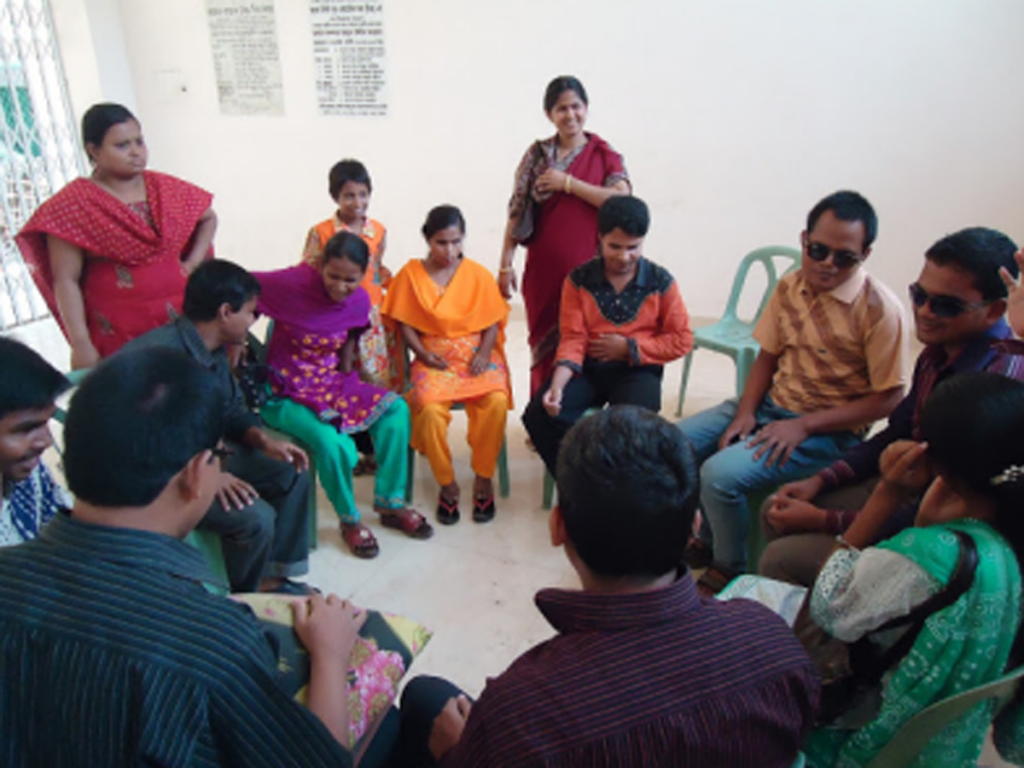
Building an Inclusive Society Where Everyone Belongs Inclusion of persons with disabilities is not simply about providing services or assistance—it is about ensuring that every person has the same rights, opportunities, dignity, and freedom to participate in family, community, education, employment, and public life. Persons with disabilities are valuable members of society with abilities, aspirations, knowledge, and potential. However, physical barriers, social attitudes, discrimination, lack of accessible information, limited educational opportunities, and economic exclusion can prevent many people from participating fully in society. At Dristi Protibondhi Unnayan Parishad (DPUP Bangladesh), we believe that inclusion begins with recognizing disability as a matter of rights, equality, and human dignity. Our work focuses on creating opportunities for persons with disabilities to participate meaningfully in decisions and activities that affect their lives. Inclusive Education Every child has the right to quality education. Inclusive education means removing barriers so that children with disabilities can learn alongside their peers and receive the appropriate support, accessible learning materials, assistive technology, and reasonable accommodation they need to succeed. Economic Empowerment True inclusion also requires economic independence. DPUP promotes vocational skills, employment, entrepreneurship, agriculture, livestock, and other livelihood opportunities that enable persons with disabilities to develop their skills, earn income, and contribute to their families and communities. Participation and Leadership Persons with disabilities should not only be recipients of development programs—they should be active decision-makers and leaders. DPUP promotes the participation of persons with disabilities in community organizations, advocacy, planning, policy discussions, and development initiatives. Accessible Communities An inclusive society must be accessible to everyone. This includes accessible buildings, roads, transportation, communication, information, technology, education, healthcare, and public services. Removing barriers benefits not only persons with disabilities but the wider community. Changing Attitudes Social attitudes can be one of the greatest barriers to inclusion. Awareness and community engagement are essential to challenge stereotypes, discrimination, stigma, and misconceptions about disability. We believe that communities become stronger when everyone is respected and given the opportunity to contribute. Our Commitment DPUP Bangladesh works with persons with disabilities, families, communities, government institutions, civil society organizations, and development partners to promote a more inclusive, accessible, equitable, and sustainable Bangladesh. Inclusion means removing barriers, respecting differences, creating opportunities, and ensuring that no one is left behind. Together, We Can Build an Inclusive Bangladesh Where Everyone Belongs.

Blog

Agricultural & Rural Development Initiative

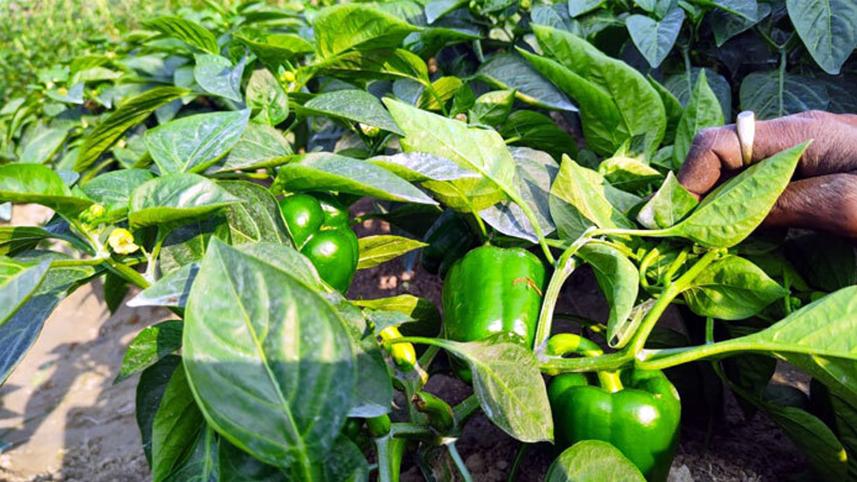
Promoting Home-Based, Climate-Smart Agriculture and Livelihoods Since 2015 Dristi Protibondhi Unnayan Parishad (DPUP Bangladesh) has been promoting inclusive rural development and livelihood opportunities through community-based agricultural initiatives since 2015. The initiative has been implemented in Noakhali, Gazipur, Barishal, Manikganj, Tangail and Narayanganj, with the support of local philanthropic individuals, community supporters and dedicated DPUP volunteers. The program focuses particularly on home-based agriculture, income generation, food security and climate-resilient livelihoods, enabling rural families, persons with disabilities, vulnerable households and other community members to make productive use of available household space and local resources. From Household Gardens to Sustainable Livelihoods Many rural families have limited access to agricultural land, capital, modern technology and technical information. DPUP therefore promotes practical home-based agricultural models that can be adapted to small spaces, including homestead gardens, container and vertical cultivation, vegetable production, seedling nurseries, fruit cultivation and other small-scale agricultural activities. Research in Bangladesh has shown that properly managed homestead gardens can contribute to both household food security and additional income, particularly when production is organized throughout the year. Through community-level support, DPUP volunteers encourage families to: Climate-Smart Agriculture Climate change is creating increasing challenges for agricultural communities in Bangladesh, including flooding, water stress, salinity, changing seasons and extreme weather. Climate-smart agriculture can help farmers improve productivity while strengthening resilience to these challenges. DPUP promotes the use of climate-effective and resource-efficient agricultural practices according to local conditions. Depending on the community and available resources, these may include: Such approaches are particularly relevant in climate-vulnerable areas. For example, climate-smart approaches such as tower gardening and other elevated cultivation methods have been used in flood-prone areas of Bangladesh to support year-round vegetable production. Using Modern Technology DPUP also seeks to connect rural households with modern agricultural knowledge and appropriate technology. The objective is not simply to increase production, but to help families make better decisions about what to grow, when to grow it, how to manage resources and how to connect production with local demand. Modern agricultural initiatives in Bangladesh increasingly emphasize improved technologies, climate-resilient production, digital agricultural information, value addition and market connectivity. DPUP’s community-based approach complements these broader efforts by bringing practical knowledge closer to households through local volunteers and community networks. Local Philanthropy and Volunteer Support A distinctive feature of the initiative is the involvement of local philanthropic persons, community supporters and DPUP volunteers. Their contribution helps communities access knowledge, encouragement, agricultural inputs, technical guidance and practical demonstrations. Rather than treating rural families simply as beneficiaries, DPUP encourages them to become active participants and small-scale livelihood entrepreneurs. Families are encouraged to learn from one another, share locally appropriate practices and gradually expand successful activities. Six Districts, One Inclusive Approach Since 2015, DPUP has developed community-level agricultural and rural livelihood activities across: Noakhali | Gazipur | Barishal | Manikganj | Tangail | Narayanganj Each district has different agricultural, environmental and socioeconomic conditions. Therefore, the approach is adapted to the local context rather than applying one identical agricultural model everywhere. The overall objective remains consistent: productive households, resilient communities and sustainable rural livelihoods. Supporting Persons with Disabilities and Vulnerable Communities As a National Disabled People’s Organization (DPO) in Bangladesh, DPUP places inclusion at the center of its development work. Agriculture and home-based livelihood activities can provide opportunities for people who may face barriers to conventional employment. With appropriate adaptations, household-based farming can allow persons with disabilities and their families to participate in productive economic activities closer to home. DPUP’s broader mission is: Empowering persons with disabilities and vulnerable communities through inclusion, rights, education, rehabilitation, livelihood development and equal opportunities. Through agricultural and rural development, DPUP aims to turn available household resources, community knowledge and local support into food, income, skills, dignity and greater economic participation. Our Vision for the Future DPUP will continue working with local communities, philanthropic supporters, volunteers, technical partners and development organizations to expand inclusive, climate-smart and technology-supported agriculture. The long-term goal is to develop community models where even households with limited land and resources can participate in productive agriculture, improve nutrition, generate supplementary income and become more resilient to climate and economic challenges. Dristi Protibondhi Unnayan Parishad (DPUP Bangladesh)Since 2002 Working as an assistive force and development partner with the Government of Bangladesh for the advancement of persons with disabilities and vulnerable communities, and promoting inclusive development across Bangladesh.

Blog

Building an Inclusive Society for Persons with Disabilities

Creating an inclusive society begins with recognizing that persons with disabilities have the same rights, aspirations, and potential as everyone else. Equal access to education, employment, healthcare, and public services enables individuals to participate fully in community life. Organizations like DPUP work alongside communities, government agencies, and development partners to promote accessibility, advocate for disability rights, and create opportunities for independent living. Through awareness campaigns, skills development, and livelihood support, we strive to remove barriers and build a more inclusive Bangladesh.

Blog

Together We Can Make a Difference

Creating lasting change requires collaboration. Governments, NGOs, businesses, donors, volunteers, and community members all have a role to play in ensuring that persons with disabilities are included in every aspect of society. DPUP believes that partnerships are the foundation of sustainable development. Through collaborative projects, advocacy, and community engagement, we continue to improve access to services, strengthen livelihoods, and promote equal opportunities for all. Together, we can build a future where no one is left behind.

Blog

Announcement: 3rd Anniversary of DPUP

1 February 2005 Dristi Protibondhi Unnayan Parishad (DPUP) is pleased to announce the celebration of its 3rd Anniversary. Established on 1 February 2002, DPUP has completed three years of dedicated work toward promoting the rights, dignity, inclusion, and empowerment of persons with disabilities. On this special occasion, we express our sincere gratitude to our members, staff, volunteers, partners, supporters, and well-wishers whose contributions have helped us continue our mission. Three Years of Commitment — Towards an Inclusive Society for All. Dristi Protibondhi Unnayan Parishad (DPUP)Dhaka, Bangladesh1 February 2005

Scroll to Top